
Key Takeaways
-
Regular maintenance and timely servicing are essential for extending your car’s lifespan
-
Monitoring fluids, tires, and the engine helps prevent major mechanical issues
-
Safe and consistent driving habits reduce wear and tear on key components
-
Addressing minor problems early can prevent costly repairs later
-
Keeping your car clean and protected helps preserve both performance and appearance
-
Paying attention to warning signs ensures issues are resolved before they worsen
-
Proper storage and organization of maintenance records support long-term reliability
Owning a car is a long-term investment, and like any investment, it requires proper care to maintain its value and performance. A well-maintained vehicle not only lasts longer but also provides better safety, reliability, and fuel efficiency. While modern cars are built to be durable, neglecting routine care can significantly shorten their lifespan.
The good news is that extending your car’s life doesn’t require complicated knowledge or expensive upgrades. With consistent habits, timely maintenance, and attention to detail, you can keep your vehicle running smoothly for many years.
Why Is Regular Car Maintenance So Important?
Routine maintenance is the foundation of a long-lasting vehicle. It ensures that all components are functioning properly and helps identify potential problems before they become serious.
Benefits of Regular Maintenance
-
Prevents major mechanical failures
-
Improves fuel efficiency
-
Enhances safety on the road
-
Maintains resale value
Skipping maintenance may save time in the short term, but it often leads to higher repair costs later.
How Often Should You Service Your Car?
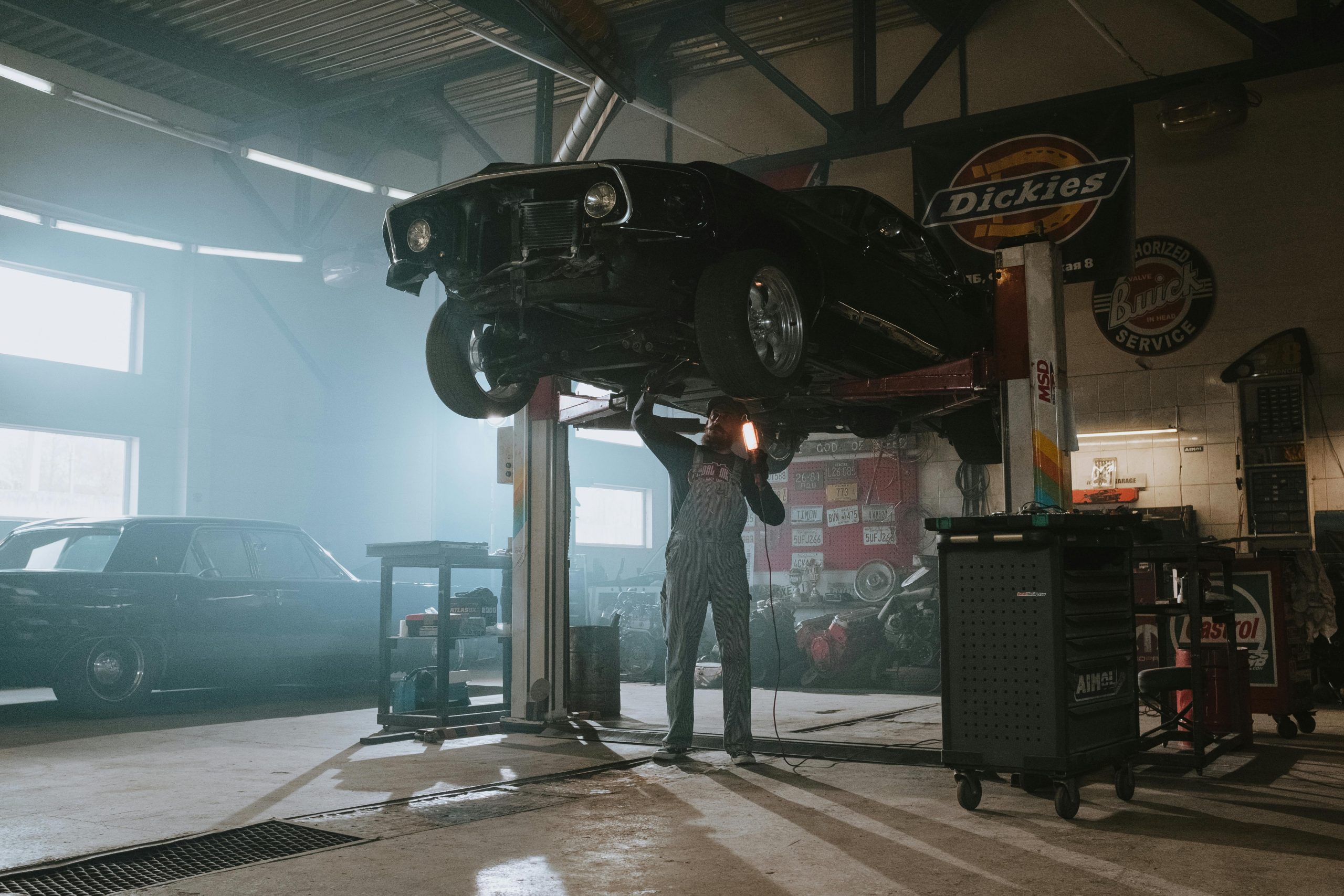
Every car has a recommended service schedule provided by the manufacturer, and following it is one of the most effective ways to keep your vehicle in good condition. These schedules are designed based on your car’s engine type, components, and overall design, ensuring that each part is maintained at the right time. Ignoring these intervals can lead to premature wear, reduced performance, and costly repairs.
Regular servicing also allows mechanics to catch small issues early, before they turn into major problems. Even if your car seems to be running fine, routine checkups help maintain efficiency, safety, and long-term reliability.
General Service Guidelines
-
Oil change every 5,000–10,000 km (depending on the vehicle): Keeps the engine lubricated and prevents excessive wear
-
Tire rotation every 10,000 km: Promotes even tire wear and extends tire lifespan
-
Brake inspection regularly: Ensures braking performance remains safe and responsive
-
Full inspection annually: Covers all major systems, including engine, suspension, and electrical components
Sticking to a routine helps ensure your car continues to perform at its best. By staying consistent with maintenance, you not only extend your vehicle’s lifespan but also improve safety and reduce long-term costs.
What Are the Most Important Fluids to Check?
Fluids play a crucial role in keeping your car’s systems running smoothly. Neglecting them can lead to overheating, corrosion, and mechanical damage.
Essential Fluids to Monitor
-
Engine oil: Lubricates moving parts and reduces friction
-
Coolant: Prevents overheating
-
Brake fluid: Ensures proper braking performance
-
Transmission fluid: Keeps gear shifts smooth
-
Power steering fluid: Aids in steering control
Regularly checking and replacing fluids is a simple yet effective way to extend your car’s lifespan.
How Can You Keep Your Engine in Good Condition?
The engine is the heart of your vehicle, and proper care is essential for long-term performance.
Engine Care Tips
-
Change engine oil on time
-
Replace air filters regularly
-
Avoid aggressive driving
-
Warm up the engine before driving (especially in cold conditions)
These habits contribute to how to keep car reliable over time, ensuring consistent performance and fewer breakdowns.
Why Are Tires Important for Longevity?
Tires affect not only safety but also overall vehicle performance and efficiency. They are the only part of your car that makes direct contact with the road, which means their condition influences handling, braking, fuel consumption, and even the wear on other mechanical components. Poorly maintained tires can lead to uneven stress on the suspension system, reduced traction, and increased risk of accidents.
Taking care of your tires helps your vehicle operate more smoothly and prevents unnecessary strain on the engine and drivetrain. Over time, proper tire maintenance contributes to better fuel efficiency and a longer lifespan for your car as a whole.
Tire Maintenance Tips
-
Check tire pressure regularly: Maintain the recommended pressure to improve fuel efficiency and ensure safe handling
-
Rotate tires to ensure even wear: Helps extend tire life and maintain balanced performance
-
Align wheels when necessary: Correct alignment prevents uneven tire wear and improves driving stability
-
Replace worn-out tires promptly: Worn tires reduce traction and increase the risk of accidents
Proper tire care reduces strain on other components and improves fuel efficiency. By keeping your tires in good condition, you support the overall health and longevity of your vehicle.
How Does Driving Style Affect Your Car?
Your driving habits have a significant impact on your car’s lifespan.
Habits to Avoid
-
Sudden acceleration and braking
-
Driving over potholes at high speed
-
Overloading the vehicle
-
Ignoring warning lights
Better Driving Practices
-
Drive smoothly and steadily
-
Maintain safe speeds
-
Anticipate stops to reduce braking stress
Gentle driving reduces wear and tear on your car’s components.
Why Should You Pay Attention to Warning Signs?
Your car often gives early signs when something is wrong. Ignoring these warnings can lead to serious damage, higher repair costs, and even safety risks. Many major mechanical failures start as small, noticeable issues that could have been resolved quickly if addressed early. Paying attention to these signals allows you to take action before the problem worsens.
Being proactive not only saves money but also helps maintain your car’s performance and reliability. When you respond to warning signs promptly, you reduce the chances of unexpected breakdowns and extend the overall lifespan of your vehicle.
Common Warning Signs
-
Unusual noises: Sounds like knocking, grinding, or squealing may indicate issues with the engine, brakes, or other components
-
Warning lights on the dashboard: These alerts are designed to signal problems that need immediate attention
-
Reduced performance: Slower acceleration, rough idling, or difficulty starting can point to underlying issues
-
Fluid leaks: Spots under your car may indicate leaks in oil, coolant, or other essential fluids
Addressing these issues early can prevent costly repairs and extend your car’s life. Staying alert to these warning signs ensures your vehicle remains safe, efficient, and dependable over time.
How Can You Maintain Your Car’s Battery?
A healthy battery is essential for starting your car and powering electrical systems.
Battery Care Tips
-
Check battery terminals for corrosion
-
Ensure the battery is securely mounted
-
Avoid leaving lights or electronics on when the engine is off
-
Replace the battery when needed
Regular checks help prevent unexpected breakdowns.
What Role Does Cleaning Play in Car Maintenance?
Keeping your car clean is not just about appearance—it also protects the vehicle from damage.
Cleaning Benefits
-
Prevents rust and corrosion
-
Protects paint and exterior surfaces
-
Keeps the interior in good condition
-
Improves overall comfort
Simple Cleaning Tips
-
Wash your car regularly
-
Wax the exterior periodically
-
Clean the interior and remove debris
-
Protect upholstery from damage
A clean car is easier to maintain and lasts longer.
How Do You Handle Minor Repairs?
Minor issues can quickly turn into major problems if ignored.
Examples of Minor Repairs
-
Replacing worn wiper blades
-
Fixing small dents or scratches
-
Addressing minor leaks
Taking care of small problems early helps avoid larger repair costs.
What Should You Do After an Accident?
Even minor accidents can affect your car’s performance and safety.
Knowing what to do after accident situations is essential to ensure your vehicle remains safe and roadworthy.
Steps to Take
-
Inspect the vehicle for visible damage
-
Check for fluid leaks or unusual sounds
-
Have a professional assess the car
-
Repair any damage promptly
Proper handling after an accident prevents long-term issues.
How Can You Protect Your Car From Environmental Damage?
Environmental factors can affect your car’s condition over time.
Common Environmental Risks
-
Sun exposure
-
Rain and moisture
-
Dust and debris
-
Road salt
Protection Tips
-
Park in shaded or covered areas
-
Use car covers when necessary
-
Wash off dirt and salt regularly
-
Apply protective coatings
Protecting your car from the elements helps maintain its appearance and structure.
Why Is Proper Storage Important?
If you don’t use your car regularly, proper storage is crucial.
Storage Tips
-
Keep the car in a dry, covered area
-
Disconnect the battery if unused for long periods
-
Start the car occasionally
-
Maintain proper tire pressure
Good storage practices prevent deterioration and mechanical issues.
How Can You Keep Track of Maintenance?
Staying organized helps ensure you don’t miss important maintenance tasks.
Ways to Stay Organized
-
Keep a maintenance log
-
Set reminders for service schedules
-
Save receipts and records
-
Use mobile apps for tracking
Keeping records helps you stay consistent and maintain your car’s value.
What Are Long-Term Benefits of Proper Car Care?

Consistent care provides long-term advantages that go beyond just extending your car’s life.
Long-Term Benefits
-
Lower repair costs
-
Better fuel efficiency
-
Improved safety
-
Higher resale value
A well-maintained car offers peace of mind and better performance.
Final Thoughts
Taking care of your car doesn’t have to be complicated. By following simple maintenance routines, driving responsibly, and addressing issues early, you can significantly extend your vehicle’s lifespan.
Consistency is the key to keeping your car in excellent condition. With proper care, your vehicle can remain reliable, efficient, and safe for many years to come.