
Your vehicle provides countless signs when something is wrong, but many drivers overlook these warnings until a minor issue becomes a major repair. Strange noises, unusual handling, warning lights, and changes in performance are often your vehicle’s way of alerting you that attention is needed. Addressing problems early can help protect your safety, prevent further damage, and reduce the cost of future repairs.
Regular inspections and timely maintenance are important for keeping your vehicle dependable. While some issues may seem minor, delaying service can allow damaged components to affect other systems. Understanding the most common warning signs can help you make better decisions and know when to seek professional assistance.
Unusual Noises That Should Never Be Ignored

A vehicle that suddenly begins making unfamiliar sounds should never be overlooked. While some noises may have simple explanations, others can point to serious mechanical concerns that require immediate evaluation. Drivers often become accustomed to the sounds their vehicles make, which means even small changes can be important clues.
Grinding, squealing, knocking, or clicking sounds may indicate problems with essential systems. For example, grinding noises while braking may suggest worn components, while knocking sounds from the engine could point to internal damage. Ignoring these issues can allow a small repair need to develop into a more complicated and expensive problem.
An experienced auto mechanic can inspect the source of unusual sounds and determine whether repairs are needed. A professional evaluation helps identify the underlying cause rather than simply addressing the symptom. Skilled auto mechanics use diagnostic tools and hands-on inspections to examine everything from engine components to suspension systems.
Common sounds that deserve attention include:
- Squealing noises when pressing the brake pedal
- Grinding sounds while turning or accelerating
- Clunking noises over bumps
- Clicking sounds coming from wheels or axles
- Humming or whining sounds that increase with speed
If you notice a new or worsening noise, avoid turning up the radio in the hope it will go away. Early diagnosis can help prevent additional damage and keep your vehicle operating safely.
Dashboard Warning Lights That Demand Immediate Action
Modern vehicles are equipped with advanced systems designed to alert drivers when something requires attention. Dashboard warning lights are not simply reminders; they provide valuable information about potential problems affecting vehicle performance and safety.
Some warning lights indicate minor maintenance needs, while others require immediate action. For example, a check engine light may represent a wide range of concerns, from a loose gas cap to more serious engine issues. A flashing warning light often indicates a more urgent problem that should be addressed quickly.
Routine auto services can help identify problems before they become severe. Professional inspections allow technicians to scan vehicle systems, review diagnostic codes, and determine the necessary repairs. Regular maintenance also helps ensure that small issues are corrected before they impact other components.
Drivers should pay close attention to warning indicators such as:
- Check engine lights
- Oil pressure warnings
- Temperature or overheating alerts
- Battery system warnings
- Tire pressure notifications
- Airbag system lights
Ignoring warning lights may result in reduced performance, decreased fuel efficiency, or unexpected breakdowns. When a warning appears, it is best to consult a professional and determine the appropriate next step.
Soft Pedals, Vibrations, and Reduced Stopping Power
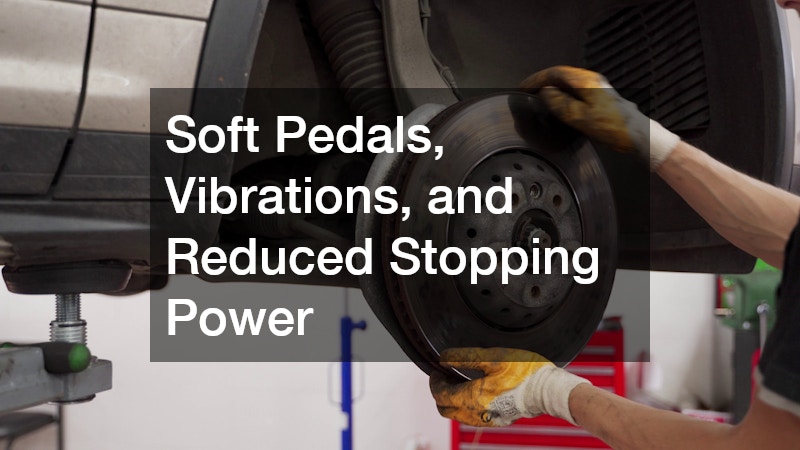
Braking issues are among the most serious problems a driver can experience. Your vehicle’s braking system plays a direct role in preventing accidents, so any changes in braking performance should be addressed immediately.
A brake pedal that feels soft, sinks toward the floor, or requires additional pressure may indicate a problem with brake fluid, brake lines, or other components. Drivers may also notice vibrations when stopping, pulling to one side, or unusual sounds when applying the brakes.
Professional auto brake services can identify worn parts and restore proper braking performance. Technicians can inspect brake pads, rotors, calipers, and other components to determine whether repairs or replacements are necessary.
Signs your brakes may need attention include:
- A squealing or grinding sound when braking
- Longer stopping distances
- A vibrating steering wheel during braking
- A brake warning light appears
- A vehicle pulling left or right when stopping
Routine brake inspections are especially important because many brake problems develop gradually. Addressing worn components early can improve safety and prevent damage to additional braking system parts.
Transmission Problems That Quickly Become Expensive
The transmission is responsible for transferring power from the engine to the wheels, making it one of the most important systems in your vehicle. When transmission problems begin, drivers may notice changes in shifting behavior, performance, or responsiveness.
Common warning signs include delayed gear changes, slipping gears, unusual noises, or difficulty shifting. Some vehicles may also experience shaking or hesitation when accelerating. These symptoms should not be ignored because transmission issues often become more expensive as damage progresses.
Professional transmission repair can help diagnose the cause of these problems and determine the best solution. In some cases, a simple adjustment or fluid service may resolve the issue, while more severe damage may require replacement components or additional repairs.
Drivers can help protect their transmission by:
- Checking fluid levels regularly
- Following manufacturer maintenance recommendations
- Avoiding excessive towing when not properly equipped
- Addressing shifting problems early
- Paying attention to leaks or unusual smells
A transmission issue rarely fixes itself. Scheduling an inspection when problems first appear can prevent additional damage and help extend vehicle longevity.
Cracks, Chips, and Visibility Issues That Affect Safety

Vehicle glass damage may seem like a cosmetic concern, but damaged windows and windshields can create serious safety risks. The windshield contributes to the vehicle’s structural strength and helps protect occupants during collisions.
Small chips and cracks can quickly expand due to temperature changes, road vibrations, and additional impacts. Even minor damage can affect visibility, especially when cracks spread across the driver’s line of sight.
A professional auto glass service can evaluate the damage and determine whether repair or replacement is the best option. Addressing windshield problems promptly can prevent a minor issue from becoming a more costly repair.
Drivers should seek professional help when they notice:
- Cracks longer than the recommended repair limits
- Damage directly in the driver’s viewing area
- Multiple chips across the windshield
- Loose or damaged window seals
- Water is entering around the glass
Maintaining clear visibility is essential for safe driving. Promptly addressing glass damage helps preserve both safety and the vehicle’s overall condition.
Collision Damage That Requires More Than Cosmetic Fixes
After an accident, some vehicle damage may not be immediately visible. While dents, scratches, and broken exterior components are easy to identify, internal damage can affect the vehicle’s safety and performance long after the collision.
A trusted auto body repair shop can inspect the vehicle for structural problems, alignment concerns, and hidden damage. Professional repairs help ensure that damaged areas are properly restored rather than simply covered up.
After a collision, drivers should consider:
- Taking photos of all visible damage
- Documenting accident details
- Checking for unusual vehicle handling
- Having the vehicle professionally inspected
- Avoiding repairs before the necessary documentation is complete
In situations involving injuries, disputes, or insurance complications, consulting a car accident lawyer may help drivers understand their options. Legal guidance can be valuable when determining responsibility, handling claims, or addressing concerns related to accident-related expenses.
Even a minor accident can create problems that appear weeks or months later. A thorough inspection helps identify issues before they compromise vehicle safety.
Fluid Leaks, Burning Smells, and Smoke Under the Hood
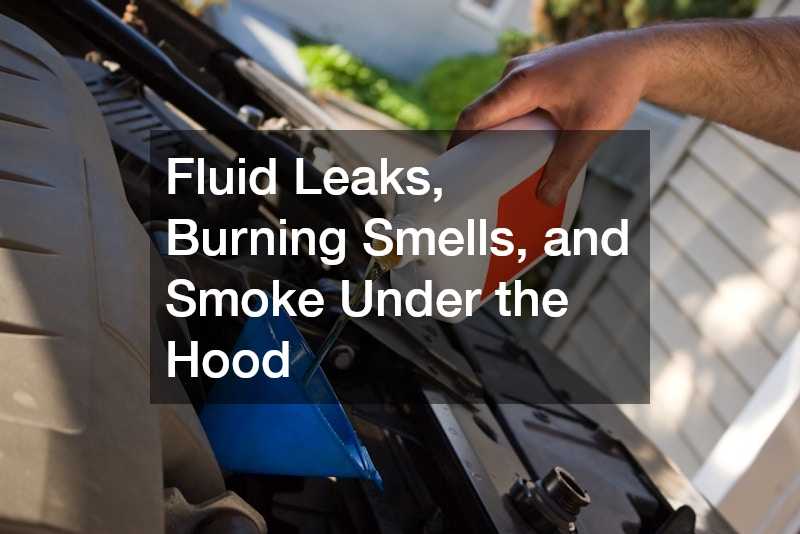
Fluids are essential for nearly every major vehicle system, including the engine, transmission, cooling system, and brakes. These fluids help reduce friction, control temperatures, maintain hydraulic pressure, and keep important components operating correctly. When a vehicle begins leaking fluids, it may indicate worn seals, damaged components, loose connections, or other mechanical concerns that require attention.
Even a small leak should not be ignored. A minor fluid loss can quickly turn into a larger problem if important systems no longer receive the lubrication or cooling they need. For example, an engine oil leak can increase friction and cause overheating, while a coolant leak can raise the engine temperature beyond safe levels.
Drivers should never ignore puddles under their vehicles or unusual smells while driving. A burning odor may indicate overheating, electrical problems, or leaking fluids contacting hot engine components. Different smells can provide clues about the source of a problem, making it important to notice when and where unusual odors occur.
Common warning signs include:
- Oil spots beneath the vehicle
- Bright-colored fluid leaks
- A sweet smell indicates possible coolant issues
- Burning rubber odors
- Smoke coming from under the hood
- A dashboard temperature warning light
- Low fluid levels that require frequent refilling
The color and location of a leak can sometimes help identify the affected system. Dark brown or black fluid may indicate an oil leak, while green, orange, or pink fluid may point to a coolant issue. Reddish fluid could suggest a transmission or power steering concern, depending on the vehicle’s design.
Prompt attention to needed car repairs can prevent minor leaks from becoming major failures. Addressing leaks early may also protect surrounding components from additional damage. A professional inspection can determine the source of the leak and whether the issue requires a simple adjustment, replacement component, or more extensive repair.
If smoke appears, drivers should safely pull over and allow the vehicle to cool before investigating further. Continuing to drive an overheating or damaged vehicle can create serious safety risks and may result in expensive repairs. Never remove a radiator cap or open a hot cooling system, as pressurized fluids can cause burns or injuries.
Being aware of leaks, unusual smells, and smoke can help drivers respond quickly when their vehicle needs attention. Early action can improve safety, prevent unexpected breakdowns, and help maintain reliable vehicle performance.
Choosing Quality Replacement Components for Lasting Reliability
When repairs are necessary, the quality of replacement components can significantly impact long-term vehicle performance. While lower-cost options may seem appealing, inexpensive parts may not provide the same durability, fit, or reliability as higher-quality alternatives. Choosing the wrong component can lead to premature wear, repeated repairs, and additional expenses that could have been avoided with better-quality solutions.
Every vehicle is designed with specific engineering requirements, and replacement components should match those standards whenever possible. Poorly manufactured parts or parts not designed for a particular make and model may affect safety, efficiency, and overall performance. Investing in dependable replacements helps ensure that repaired systems continue operating as intended and reduces the risk of future complications.
Reliable auto parts help ensure repaired systems continue to function properly. Working with knowledgeable professionals can help drivers understand which components are best suited for their specific vehicle. Experienced technicians can recommend options based on the vehicle’s age, driving habits, manufacturer requirements, and long-term maintenance goals.
Before approving repairs, consider asking:
- Are the replacement parts new or refurbished?
- Does the part meet manufacturer specifications?
- Is there a warranty available?
- How long should the replacement component last?
- Are there multiple repair options to consider?
- Will the replacement part improve reliability compared to the damaged component?
Drivers should also consider the importance of professional installation. Even high-quality components may not perform properly if they are installed incorrectly. A skilled technician can ensure parts are fitted correctly, test the repaired system, and identify any related concerns before returning the vehicle to the road.
Quality repairs are about more than fixing the immediate issue. Choosing dependable components can help reduce the likelihood of recurring problems and improve vehicle performance over time. Whether replacing worn mechanical parts, damaged safety components, or aging systems, making informed decisions can help protect your investment and keep your vehicle dependable for years to come.
Recognizing When Your Vehicle Needs Immediate Attention
Many vehicle problems start with small warning signs, but ignoring them can lead to greater safety concerns and higher repair costs. Changes in sound, performance, handling, and appearance should always be taken seriously because they often indicate that a component is beginning to fail. While some issues may seem inconvenient rather than urgent, delaying an inspection can allow damage to spread to other systems, resulting in more extensive work and unexpected costs.
Drivers should become familiar with how their vehicles normally operate, including how the engine sounds, how the brakes respond, and how the vehicle handles during everyday driving. Recognizing changes early can make it easier to identify problems before they become dangerous. Unusual vibrations, reduced fuel efficiency, difficulty starting, warning lights, or changes in steering response are all reasons to schedule a professional evaluation.
Drivers who stay proactive with inspections and maintenance are more likely to catch problems before they become emergencies. Paying attention to your vehicle’s behavior and seeking professional guidance when something seems unusual can help extend its lifespan. Regular inspections also provide an opportunity to identify worn components, address minor concerns, and keep important systems operating properly.
A reliable vehicle requires regular care, awareness, and timely attention. By responding quickly to warning signs, drivers can protect their investment and enjoy safer, more dependable transportation for years to come. Taking a proactive approach not only improves reliability but also gives drivers greater confidence on the road, knowing their vehicle has been properly maintained and inspected. Small actions, such as addressing unusual symptoms early and following recommended service schedules, can make a significant difference in preventing major breakdowns and preserving long-term vehicle performance.